Bed bugs and termites are common household pests, but their impact on human health is often misunderstood. While neither insect transmits disease in the way mosquitoes or ticks do, their presence can trigger a range of physical and psychological reactions that affect daily life. Understanding what the evidence shows helps homeowners respond calmly and effectively.
This article breaks down the known health effects of exposure to bed bugs and termites, outlines how to identify each pest on your own, and explains when a do‑it‑yourself approach is reasonable versus when a licensed professional should be called. The goal is to give you clear, actionable information without alarmism.
- Bed bug bites cause itchy welts and can lead to secondary skin infections; they do not transmit disease.
- Termites pose health risks mainly through structural damage and respiratory irritation from wood dust and frass.
- Allergic sensitization and asthma exacerbation are possible with chronic exposure to pest allergens.
- DIY identification using visual cues and simple traps is effective for early detection.
- Professional help is essential for widespread infestations, structural termite activity, or when health concerns limit safe pesticide use.
Understanding Bed Bug Exposure
Bed bugs feed on human blood, usually at night, and their bites can cause itchy, red welts that appear in lines or clusters. Not everyone reacts the same way; some people develop noticeable swelling and intense itching, while others may have no visible reaction at all. The variability in response makes it difficult to diagnose an infestation based solely on bite marks.
Beyond the bites, the psychological toll of a bed bug infestation can be significant. Anxiety, sleep disturbance, and feelings of shame or embarrassment are frequently reported by people living with an active problem. These stress‑related effects can exacerbate existing health conditions such as hypertension or depression, even though the insects themselves do not transmit pathogens [1].
Secondary skin infections can arise when bites are scratched excessively, breaking the skin barrier and allowing bacteria to enter. Keeping the affected area clean, avoiding scratching, and using over‑the‑counter anti‑itch creams can reduce this risk. If signs of infection — increasing redness, warmth, pus, or fever — appear, medical evaluation is warranted.
Understanding Termite Exposure
Termites do not bite or sting humans, and they are not known to spread disease. Their primary health relevance comes from the structural damage they cause, which can create unsafe living conditions such as weakened floors, sagging ceilings, or compromised load‑bearing walls. In extreme cases, structural failure can lead to injuries.
The dust and debris generated by termite activity, especially during swarming or when damaged wood is disturbed, can irritate the respiratory tract. People with asthma, chronic obstructive pulmonary disease, or allergies may experience coughing, wheezing, or shortness of breath when exposed to high concentrations of wood particles or termite frass.

Chemical treatments used to control termites — such as liquid termiticides or bait systems — can pose health risks if applied incorrectly [2]. Proper ventilation, adherence to label instructions, and use of personal protective equipment are essential to minimize inhalation or skin contact with these products.
Common Health Reactions to Bed Bug Bites
The most frequent reaction is a localized allergic response to proteins in bed bug saliva, resulting in raised, itchy papules that may develop into blisters in sensitive individuals. These lesions typically resolve within one to two weeks without treatment, though antihistamines or topical corticosteroids can relieve discomfort.
Some people experience a delayed hypersensitivity reaction, where new bites appear days after the initial exposure, leading to the impression that the infestation is spreading. This pattern reflects the immune system’s timing rather than new feeding activity.
Rarely, a systemic allergic reaction (anaphylaxis) has been reported after multiple bites, presenting with widespread hives, swelling of the face or throat, difficulty breathing, or a drop in blood pressure. This is a medical emergency requiring immediate emergency‑services contact.
Secondary Risks: Allergies, Asthma, and Infections
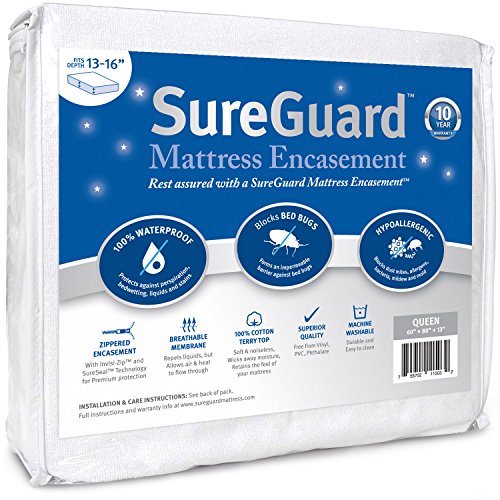
Chronic exposure to bed bug allergens — shed skins, fecal spots, and saliva — can sensitize individuals, worsening allergic rhinitis or asthma symptoms over time. Regular cleaning with a HEPA‑filtered vacuum and encasing mattresses in certified allergen‑proof covers can reduce airborne allergen levels.
Termite frass (droppings) and wood dust are fine particulate matter that can penetrate deep into the lungs. In homes with active infestations, especially during renovation or treatment, wearing an N95 respirator and sealing off work areas helps protect respiratory health.

Both pests can indirectly promote mold growth. Bed bug harborage sites often retain moisture from human sweat, while termite‑damaged wood may stay damp, creating conditions favorable for mold. Mold spores add another layer of respiratory risk, particularly for immunocompromised occupants.
DIY Identification and Monitoring
For bed bugs, start by inspecting mattress seams, box springs, headboards, and nearby furniture for live insects, shed exoskeletons, dark fecal spots, and tiny white eggs [3]. A flashlight and a credit‑card‑thin tool help probe tight crevices. Interceptor traps placed under bed legs can capture climbing bugs and confirm activity.
Termite detection focuses on signs of wood damage: hollow‑sounding timber, mud tubes on foundation walls, discarded wings near windowsills, and frass piles resembling sawdust. Tapping wood with a screwdriver handle can reveal hollow areas. Moisture meters help locate damp wood that attracts termites [4].
Document findings with photos and notes, including dates and locations. This record is valuable whether you continue with DIY measures or hand the information to a pest‑management professional. Consistent monitoring — weekly for bed bugs, monthly for termites — tracks progress and catches new activity early.
When DIY Treatment Is Appropriate and When to Call a Professional
Small, localized bed bug infestations (fewer than a dozen bugs confined to one room) can often be managed with thorough vacuuming, steam treatment of mattresses and furniture, laundering of bedding at high heat, and the use of EPA‑registered insecticide dusts or aerosols labeled for indoor bed bug control. Follow all label directions and repeat treatments at recommended intervals.
Termite problems that are limited to a single piece of non‑structural wood, such as a detached fence post or a piece of firewood, may be addressed with over‑the‑counter bait stations or borate wood treatments. However, any evidence of termites in structural components — floor joists, wall studs, foundation — requires professional assessment because improper treatment can leave hidden colonies that continue to cause damage.
Call a licensed pest‑control operator if: the infestation spans multiple rooms or floors; you have recurring bed bug bites despite repeated DIY efforts; termite mud tubes are present on foundation walls or interior structural wood; you are unsure of the pest species; or you have health conditions that make pesticide exposure risky. Professionals have access to more effective tools, can perform whole‑structure treatments safely, and provide warranties for their work.

FAQ
Can bed bugs spread diseases like mosquitoes do?
No. Current scientific evidence shows that bed bugs do not transmit pathogens to humans. Their health impact comes from bite reactions, allergic responses, and psychological stress.
Do termite bites cause any symptoms?
Termites do not bite humans. Health concerns arise from inhaling wood dust or frass and from the safety hazards of damaged structures.
What over‑the‑counter products are safe for bed bug control?
Look for EPA‑registered insecticide dusts, aerosols, or mattress encasements labeled specifically for bed bugs. Always follow label instructions and ventilate the area during and after application.
How can I tell if wood damage is from termites or just rot?
Termite damage often includes mud tubes on the wood surface, hollowed galleries that follow the grain, and the presence of live termites or discarded wings. Rot typically appears as soft, crumbly wood without tubes or insects.
When should I hire a professional instead of treating myself?
Hire a professional if the infestation is extensive, involves structural wood, recurs after DIY attempts, or if you have respiratory conditions, allergies, or other health issues that make pesticide exposure unsafe.
This information is for educational purposes only and does not replace medical advice or a professional pest‑control inspection. If you experience severe allergic reactions, signs of infection, or structural safety concerns, contact a healthcare provider or a licensed pest‑management professional promptly.
References
- Bed Bugs are Public Health Pests. U.S. Environmental Protection Agency
- Termites: How to Identify and Control Them. U.S. Environmental Protection Agency
- How to Find Bed Bugs. U.S. Environmental Protection Agency
- Termites. National Pesticide Information Center (Oregon State University / U.S. EPA)
These statements have not been evaluated by the Food and Drug Administration. This information is not intended to diagnose, treat, cure, or prevent any disease. Content is for informational purposes only and is not medical advice; consult a qualified healthcare provider before starting any supplement. As an Amazon Associate we earn from qualifying purchases.