Bed bugs and termites are two of the most costly household pests, but the price tag of professional extermination can be intimidating. Many homeowners consider handling identification and treatment themselves to save money, yet the true cost includes tools, chemicals, time, and the risk of incomplete control.
This guide breaks down the typical expenses for DIY detection, treatment products, and follow‑up monitoring, then compares them with average professional service fees. By understanding where DIY works and where it falls short, you can decide whether the investment pays off for your situation.
- DIY detection kits cost $15‑$70 but may miss hidden activity without repeat inspections.
- Treatment product costs for bed bugs range $120‑$250 (heat) plus $20‑$60 per chemical application; termite DIY materials run $200‑$500 plus equipment.
- Professional whole‑home heat or barrier treatments cost $1,200‑$3,500 but often include warranties and faster resolution.
- If infestations are widespread, structural, or persist after two DIY rounds, professional service usually saves money overall.
- Ongoing monitoring and preventive upgrades add $200‑$500 per year to any strategy.
Understanding the Scope of Infestations
Bed bugs hide in mattress seams, furniture crevices, and baseboards, often spreading room‑to‑room before they are noticed [1]. A small, early‑stage infestation may involve only a few dozen insects, while a mature problem can number in the thousands and require multiple treatment cycles.
Termites, especially subterranean species, build hidden colonies in soil and wood, causing structural damage that can go unseen for years [2]. The extent of damage determines whether a localized spot treatment suffices or a whole‑house barrier system is needed. Accurate assessment of infestation size is the first cost driver for any approach.
DIY Identification Tools and Costs
Basic detection kits for bed bugs include interceptors, glue traps, and a flashlight‑magnifier combo, typically costing $15‑$40 total. For termites, a moisture meter, a probe for sounding wood, and a simple termite inspection kit (often a cardboard bait station) run $30‑$70.
More advanced options — such as canine scent detection services (rental) or infrared cameras — can add $150‑$300 per day but may reduce the chance of missing hidden colonies. Homeowners should budget for at least two inspection rounds spaced two weeks apart to confirm activity before committing to treatment.
DIY Treatment Options and Price Ranges
Bed bug DIY treatments fall into three categories: heat, steam, and insecticide. Portable heat chambers for luggage or small items cost $120‑$250; a professional‑grade steamer runs $80‑$150; EPA‑registered residual sprays and dusts (pyrethroids, neonicotinoids, desiccants) range $20‑$60 per gallon or pound. Multiple applications over 2‑4 weeks are standard.
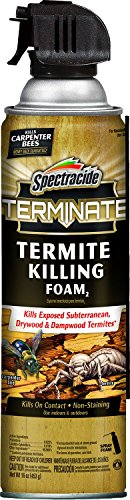
Termite DIY options include liquid termiticides applied to soil trenches ($40‑$100 per gallon, 5‑10 gallons for a typical perimeter), bait and monitoring stakes (about $4 each, sold in 15‑stake kits for roughly $55‑$60, with 15‑20 stakes covering a typical perimeter), and wood‑treatment borates ($30‑$70 per gallon). Proper trenching, drilling, and placement require physical labor and protective gear, adding $50‑$100 for equipment rental.
All chemical products must be used according to label directions, and many states restrict the sale of certain termiticides to licensed applicators. Factor in the cost of personal protective equipment (gloves, respirator, coveralls) — roughly $30‑$60 — and the time needed for preparation, application, and cleanup.
When Professional Help Becomes Cost‑Effective
Professional bed bug heat treatments for an entire home average $1,200‑$2,500 and usually achieve control in a single day, whereas DIY heat or steam may require repeated efforts and still miss hidden harborages. For termites, a full‑perimeter liquid barrier or baiting system installed by a licensed company typically costs $1,500‑$3,500, including warranty inspections.
If the infestation spans multiple rooms, involves structural wood, or recurs after two DIY cycles, the cumulative expense of products, equipment rental, and lost time often exceeds a single professional visit. Additionally, many lenders and insurers require a certified treatment report for termite damage, which only a licensed applicator can provide.
Long‑Term Prevention and Maintenance Costs
After initial control, ongoing monitoring is essential. Bed bug interceptors under each bed leg ($10‑$20 per set) should be checked monthly for at least a year. Termite bait stations need quarterly inspection and bait replacement, costing $15‑$30 per station per year.

Investing in preventive measures — mattress encasements ($30‑$60 each), sealing cracks, reducing wood‑to‑soil contact, and maintaining proper drainage — can lower the likelihood of re‑infestation. Budgeting $200‑$500 annually for monitoring and minor repairs is a realistic figure for most homes.
FAQ
Can I completely eliminate bed bugs with only over‑the‑counter sprays?
Over‑the‑counter sprays can kill exposed bugs but rarely reach eggs or insects hidden deep in furniture. Multiple applications and integrated methods (heat, steam, encasements) are needed for reliable control.
Are termite bait stations effective as a stand‑alone DIY solution?
Bait stations can suppress a colony over months, but they require correct placement, regular monitoring, and fresh bait. Without professional oversight, gaps in coverage may allow the colony to survive.
How do I know if my DIY treatment worked?
Continue using interceptors or bait stations for at least 60 days after the last application. No new captures or activity signals success; any new signs mean further action is required.
What safety gear is mandatory when applying liquid termiticides?
At minimum wear chemical‑resistant gloves, a NIOSH‑approved respirator with organic vapor cartridges, long sleeves, pants, and eye protection. Follow all label instructions for ventilation and disposal.
This article provides general cost guidance; it does not replace a licensed pest‑control inspection. If you suspect structural termite damage, a widespread bed bug infestation, or have health concerns about pesticide exposure, contact a certified professional for evaluation and treatment.
References
- How to Find Bed Bugs. U.S. Environmental Protection Agency
- Termites. National Pesticide Information Center (Oregon State University / U.S. EPA)
These statements have not been evaluated by the Food and Drug Administration. This information is not intended to diagnose, treat, cure, or prevent any disease. Content is for informational purposes only and is not medical advice; consult a qualified healthcare provider before starting any supplement. As an Amazon Associate we earn from qualifying purchases.
