Bed bugs and termites are common household pests, but their impact is not felt equally by everyone. Children, pregnant women, older adults, and people with compromised immune systems can experience more severe health effects or greater difficulty managing an infestation.
This article outlines the specific risks for these groups, explains how to recognize early signs of each pest, and provides realistic DIY steps you can take while knowing when professional help is the safer choice.
- Children, pregnant women, seniors, and immunocompromised individuals experience stronger health reactions and greater difficulty managing infestations.
- Regular visual inspections, interceptors, and mattress encasements are low‑effort first lines of defense for bed bugs.
- Termite monitoring focuses on mud tubes, wood soundness, and frass; keep humidity low and seal entry points.
- Non‑chemical controls (heat, steam, HEPA vacuuming, desiccant dusts) reduce exposure risk for sensitive occupants.
- Professional treatment is recommended when infestations are extensive, structural damage is suspected, or DIY efforts fail after two thorough rounds.
Why Children Are More Vulnerable to Bed Bug Bites
Children spend more time on or near the floor, where bed bugs often hide in mattress seams, box springs, and carpet edges [1]. Their thinner skin reacts more intensely to bites, leading to larger welts, intense itching, and a higher chance of secondary skin infections from scratching.
Sleep disruption is another major concern. Frequent nighttime itching can reduce sleep quality, affecting mood, concentration, and growth. Parents should inspect bedding and sleeping areas weekly, using a flashlight and a thin card to probe seams and crevices for live bugs, shed skins, or tiny dark fecal spots.
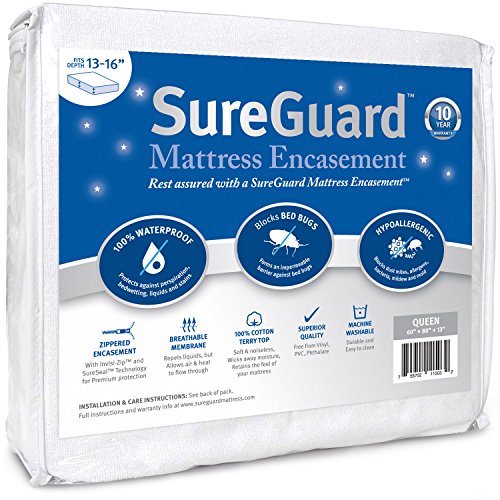
If an infestation is confirmed, laundering all bedding at the highest heat setting the fabric tolerates (at least 120 °F) and vacuuming mattresses, box springs, and surrounding floors can reduce the population. Encase mattresses and box springs in certified bed‑bug‑proof covers that are labeled for allergen and pest barrier performance. Keep children’s sleeping areas clutter‑free to limit hiding spots [2].
Pregnant Women and Sensitivity to Pest‑Related Allergens
Pregnancy alters immune responses and can heighten sensitivity to allergens, including proteins found in bed bug saliva and termite frass (droppings). Exposure may trigger stronger allergic reactions, respiratory irritation, or exacerbate existing asthma.
Termite activity often produces fine wood dust and frass that can become airborne during renovation or when damaged wood is disturbed. Pregnant women should avoid direct involvement in demolition or heavy cleaning of termite‑damaged areas. If work is necessary, wear an N95‑rated respirator, disposable gloves, and protective eyewear, and ensure the space is well‑ventilated.
For bed bugs, the same heat‑treatment and encasement steps apply. Additionally, consider using a portable steam cleaner on mattress seams and upholstered furniture; steam at 160 °F or higher kills bugs and eggs on contact without chemicals. Always test a small fabric area first to avoid damage.
Older Adults and Mobility‑Limited Residents
Reduced mobility makes thorough inspection and cleaning difficult. Seniors may not notice early bite patterns or may attribute them to other skin conditions, delaying treatment. Termite damage can also compromise structural integrity, creating fall hazards.

Schedule regular professional inspections (annually for termites, semi‑annually for bed bugs in high‑risk buildings). Between visits, use simple monitoring tools: place bed‑bug interceptors under each bed leg and sticky traps near baseboards. For termites, keep an eye on mud tubes along foundation walls and any hollow‑sounding wood [3].
When DIY treatment is needed, choose low‑effort options: mattress encasements, interceptors, and desiccant dusts (such as silica‑based products) applied with a hand duster to cracks and crevices. Avoid heavy lifting or extensive furniture movement; enlist help from family, caregivers, or a licensed pest‑management professional for those tasks.
Individuals with Compromised Immune Systems or Chronic Respiratory Conditions
People undergoing chemotherapy, living with HIV/AIDS, or managing severe asthma or COPD are at greater risk for infections from bite‑related scratching and for respiratory irritation from pest debris and treatment chemicals.
Minimize chemical exposure by prioritizing non‑chemical controls: heat, steam, vacuuming with a HEPA‑filtered vacuum, and physical barriers. If an insecticide is required, select products labeled for indoor residential use with low volatility and follow the label precisely. Consider hiring a professional who can apply targeted treatments while you remain out of the treated area.
Maintain a clean indoor environment: reduce clutter, seal cracks around baseboards, windows, and utility penetrations, and keep humidity below 50 % to discourage both pests. Regularly wash and dry bedding, curtains, and clothing on high heat cycles.
Practical DIY Identification Checklist for Both Pests
Bed bug signs: live bugs (apple‑seed size, reddish‑brown), translucent eggs, shed skins, dark fecal spots on mattress seams, box springs, headboards, and nearby furniture. Bites often appear in lines or clusters on exposed skin.
Termite signs: mud tubes on foundation walls or crawl‑space piers, hollow‑sounding wood when tapped, discarded wings near windowsills (swarmers), and frass resembling fine sawdust. Subterranean termites need soil contact; drywood termites leave kick‑out holes in wood [4].
Use a bright flashlight, a thin plastic card, and a magnifying glass for close inspection. Document findings with photos — this helps track progress and provides useful information if you later hire a professional.

When to Call a Licensed Professional
If you find widespread bed bug activity (multiple rooms, heavy fecal staining, or recurring bites despite thorough DIY efforts), professional heat treatment or integrated pest management is usually more reliable and faster.
For termites, any evidence of active mud tubes, structural wood damage, or swarmers indoors warrants a licensed termite inspector. Treatment options such as soil‑applied termiticides, baiting systems, or localized wood treatments require specialized equipment and licensing.
Professionals can also provide a written inspection report, treatment plan, and follow‑up schedule — valuable for landlords, insurance claims, and peace of mind.
FAQ
Can I treat bed bugs with over‑the‑counter sprays alone?
Over‑the‑counter sprays may kill bugs on contact but rarely reach hidden eggs or bugs deep in furniture. They work best as a supplement to heat, steam, encasements, and thorough cleaning, not as a stand‑alone solution.
Are termite bait stations safe for homes with children and pets?
Bait stations are tamper‑resistant and placed in the soil around the foundation, out of reach of children and pets. They contain slow‑acting insecticides that termites carry back to the colony. Always follow the installer’s safety instructions and keep the station caps secured.
How often should I inspect for bed bugs if I have a newborn?
Inspect the crib, mattress, and surrounding area weekly for the first three months, then monthly thereafter. Use a flashlight and a thin card to check seams, and place interceptors under crib legs for continuous monitoring.
What should I do if I find termite damage but no live termites?
Even without live termites, damaged wood indicates past or ongoing activity. Have a licensed termite inspector evaluate the extent of damage and recommend treatment or structural repair. Do not attempt structural repairs until the infestation status is confirmed.
This information is for educational purposes only and does not replace professional pest‑management advice. If you suspect a large‑scale infestation, structural damage, or experience severe allergic reactions, contact a licensed pest‑control professional or healthcare provider promptly.
References
- How to Find Bed Bugs. U.S. Environmental Protection Agency
- Top Ten Tips to Prevent or Control Bed Bugs. U.S. Environmental Protection Agency
- Termites: How to Identify and Control Them. U.S. Environmental Protection Agency
- Termites. National Pesticide Information Center (Oregon State University / U.S. EPA)
These statements have not been evaluated by the Food and Drug Administration. This information is not intended to diagnose, treat, cure, or prevent any disease. Content is for informational purposes only and is not medical advice; consult a qualified healthcare provider before starting any supplement. As an Amazon Associate we earn from qualifying purchases.