Inspection frequency differs between the two pests given their different behavior patterns and risk introduction pathways.
- Annual termite inspections are recommended, particularly in active-termite regions.
- Bed bug screening is event-driven (post-travel, secondhand furniture) rather than a fixed schedule.
- Follow specific post-treatment monitoring schedules to confirm elimination.
- This event-driven vs. scheduled distinction reflects the different risk patterns for each pest.
Annual Termite Inspections
Most pest professionals recommend annual termite inspections, particularly in regions with active termite populations, since colonies can establish and cause meaningful damage within a year without visible surface signs.
Event-Driven Bed Bug Screening
Rather than a fixed schedule, screen for bed bugs after specific risk events — travel (checking luggage and clothing before bringing items inside), acquiring secondhand furniture, or if you become aware of an infestation in a neighboring unit.

Post-Treatment Follow-Up
After any treatment (DIY or professional) for either pest, follow the specific recommended monitoring schedule to confirm elimination — this varies by treatment method and pest type.
What an Inspection Is Actually Looking For
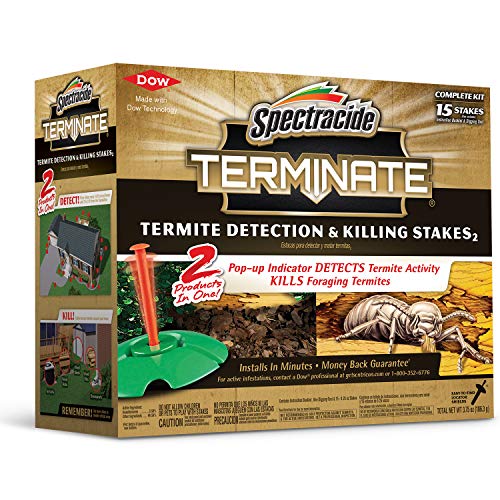
Knowing what is being checked makes the interval easier to judge and makes your own observations more useful between visits. A termite inspection concentrates on the places activity shows first: mud tubes on foundation walls and piers, timber that sounds hollow when tapped, discarded wings near windows and light sources, and anywhere wood meets soil or stays damp. Conducive conditions matter as much as live evidence, because they are what determines whether a colony finds the house attractive in the first place.
A bed bug check looks somewhere quite different. Attention goes to mattress and box spring seams, the headboard and the frame joints, upholstered furniture near sleeping areas, and interceptors placed under the legs of beds and chairs. Because bed bugs travel in with people and belongings rather than arriving from the soil, the useful trigger is an event rather than a date, which is why the two pests sit on such different schedules.
Keep a Simple Record Between Inspections
The value of a regular inspection comes largely from comparison, and comparison needs a record. A short dated note after each check is enough: what was looked at, what was found, what was not accessible, and photographs of anything you want to watch. A mark on a foundation wall means very little in isolation and quite a lot if you can show it was not there at the last check.
That record earns its keep in two other situations. If you hold a treatment agreement, providers commonly expect conducive conditions to be corrected and kept corrected, and a maintenance log is the straightforward way to show that. And if you sell, a documented history of inspections and any work carried out is far more reassuring to a buyer than a recollection.
FAQ
Do I need to check for bed bugs on a regular schedule like termites?
Less so — bed bug screening is more useful triggered by specific events (travel, secondhand furniture) than on a fixed calendar schedule.
Can I inspect myself between professional visits?
Yes, and it is worth doing. A homeowner walking the foundation line and the sleeping areas with a flashlight will notice change earlier than an annual visit can. It supplements a professional inspection rather than replacing it, since much of the structure is not visible without access.
Does a clean inspection mean the house is free of termites?
It means no evidence was found in the areas that were accessible on that day. That is genuinely reassuring, but it is a snapshot rather than a guarantee, which is why regular re-inspection is recommended in active regions.
How soon after travel should I check for bed bugs?
Treat arriving home as the trigger rather than waiting. Inspect luggage before it comes indoors where practical, deal with clothing promptly, and keep an eye on sleeping areas over the following weeks, since early activity is easy to miss.
Follow your specific region’s pest professional recommendations, which may adjust this general schedule based on local activity patterns.
These statements have not been evaluated by the Food and Drug Administration. This information is not intended to diagnose, treat, cure, or prevent any disease. Content is for informational purposes only and is not medical advice; consult a qualified healthcare provider before starting any supplement. As an Amazon Associate we earn from qualifying purchases.
