Neighborhood research is more relevant for termites (regional activity patterns) than for bed bugs (more building-type and travel-pattern driven).
- Check local termite activity patterns through pest companies or extension offices.
- Bed bug risk relates more to building type (multi-unit vs. single-family) than neighborhood location.
- Neighborhood research is more useful for termites than for bed bugs specifically.
- Your specific property’s actual conditions matter more than general area averages for either pest.
Researching Termite Activity by Area
Check with local pest control companies or your county extension office about common termite species and general activity levels in your specific area, useful context for prioritizing preventive treatment.
What a County Extension Office Can Actually Tell You
An extension office is worth calling before a pest company because it has no product to sell. The useful questions are specific: which termite species are established locally, whether they are subterranean or wood-dwelling, when local swarming typically occurs, and what conducive conditions they see most often in homes in that area.
Species matters more than it sounds. A soil-dwelling species and a species that lives entirely within the wood it eats call for different inspection targets and different treatment approaches, and knowing which one is regionally established changes what a quote should even be proposing.
Bed Bug Risk: Building Type Over Neighborhood
Multi-unit buildings generally carry more bed bug introduction risk than single-family homes, given shared walls and higher tenant turnover, regardless of the specific neighborhood — this is more about building type than location.
Reading the Signals Your Own Street Is Already Showing
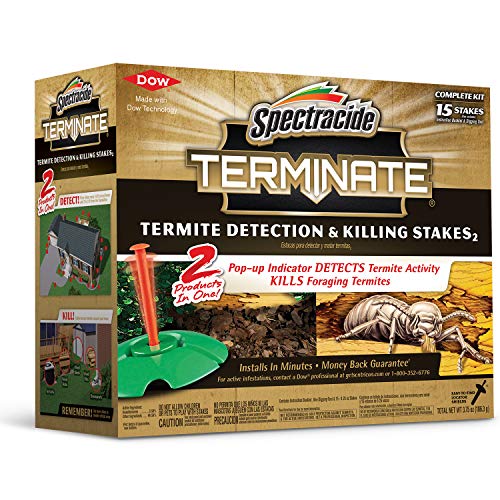
Neighborhood termite pressure is often visible without asking anyone. Bait station lids set into lawns along a street, treatment company yard signs, or a tented house all indicate that companies are finding enough activity nearby to be working there. Recent soil disturbance from construction, freshly graded lots, and stumps left in place after tree removal are all conditions that concentrate activity.
Your own yard contributes its own signals. Mulch banked against siding, irrigation aimed at the foundation, firewood stacked against the house, and any point where wood meets soil directly are the conditions a local population needs in order to become your problem rather than the street’s.

Why You Still Must Assess the Specific Property
Regardless of general area patterns, your specific property’s foundation type/moisture conditions (for termites) or building’s specific history (for bed bugs) matter more than general neighborhood averages.
For Bed Bugs, the Signal Is Turnover and Adjacency
The relevant unit of risk for bed bugs is not the neighborhood but the building and the units touching yours. They move through shared wall voids, along utility chases, and through the gaps around plumbing penetrations, which means a neighboring unit’s infestation is functionally adjacent to yours regardless of how well you keep your own space.
That reframes what is worth asking before signing a lease. Whether the building has treated units recently, whether treatment is handled building-wide or unit by unit, and how quickly management responds to a report tell you far more than any area-level statistic. Furniture left at the curb in a high-turnover building is its own signal, and a reason never to take it inside.
FAQ
Does living in a certain neighborhood increase my bed bug risk?
Less than building type does — multi-unit buildings generally carry more introduction risk than single-family homes, regardless of the specific neighborhood.
Neighborhood-level information is context — always assess your specific property’s actual conditions.
These statements have not been evaluated by the Food and Drug Administration. This information is not intended to diagnose, treat, cure, or prevent any disease. Content is for informational purposes only and is not medical advice; consult a qualified healthcare provider before starting any supplement. As an Amazon Associate we earn from qualifying purchases.
