Expectant parents dealing with a bed bug infestation reasonably want to know about pregnancy-specific considerations.
- Bed bug bites don’t have a documented pregnancy-specific health risk beyond general itchy reaction and sleep disruption.
- Follow product label precautions carefully and consider having a non-pregnant household member handle chemical application.
- Prompt treatment remains reasonable given sleep disruption and stress from an active infestation.
- The main pregnancy-relevant consideration relates to treatment product handling, not the bites themselves.
Bite Reactions During Pregnancy
Bed bug bites themselves don’t have a documented pregnancy-specific health risk pathway distinct from the general itchy skin reaction and sleep disruption concern applicable to anyone — the main pregnancy-relevant consideration is around treatment product choice.
Separating the Two Questions
There are really two distinct questions here and they have different answers. The first is whether the infestation itself carries a pregnancy-specific risk, and the second is how to handle the treatment. Conflating them tends to push people toward delay, which is the option that makes the first question worse without improving the second.
An active infestation is a sleep and stress problem, and it grows while it is left alone. Waiting it out means a larger population, a more involved treatment, and more weeks of disrupted sleep. The decision worth deliberating is not whether to treat but how, and who handles what.
Treatment Product Considerations During Pregnancy
When treating an infestation during pregnancy, follow product label instructions carefully regarding any specific precautions, and consider having a non-pregnant household member perform chemical treatment application, or hire a professional, to minimize direct handling exposure.
The Non-Chemical Levers Are Substantial Here
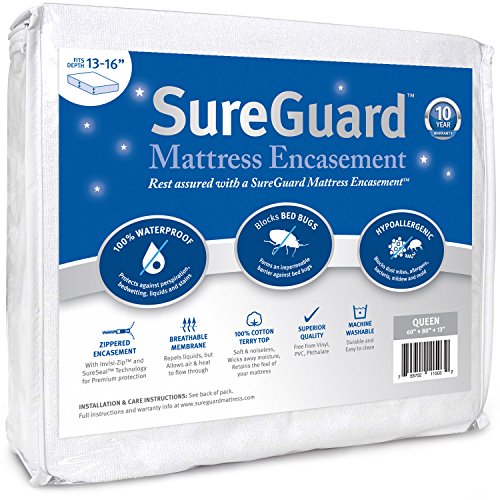
A large part of an effective bed bug response involves no pesticide at all, which makes it particularly relevant in this situation. Laundering bedding and clothing through a full hot dryer cycle, encasing the mattress and box spring so anything inside is trapped, placing interceptors under bed legs, and thorough vacuuming followed by immediately disposing of the vacuum contents outside are all levers that carry no chemical exposure question.
Professional heat treatment sits in the same category. It raises the whole room above a lethal threshold rather than relying on residual product, which changes the conversation entirely. It is worth asking providers whether they offer a heat-based or steam-forward protocol, and what it costs relative to their standard approach.

Practical Precautions
Prompt treatment (rather than delaying) is reasonable given the sleep disruption and stress an active infestation causes, while being thoughtful about who applies any chemical products during pregnancy specifically.
Questions Worth Asking Before the Appointment
Ask the provider for the product label and safety data sheet before the visit rather than on the day, so there is time to read them. Ask what the re-entry interval is, how the space should be ventilated afterward, and whether they can avoid treating the sleeping area with residual product if a non-chemical approach will cover it.
Then take those specifics to your own clinician rather than to a general article. The useful conversation is about a named product, a named application method, and your own circumstances — and a provider who cannot supply that information in advance has told you something useful about whether to hire them.

What the Medical Literature Says About the Bites
A review in JAMA searched decades of clinical reports and kept only the accounts that tied a reaction convincingly to a confirmed bed bug exposure. It found that although more than forty human diseases have at one time or another been blamed on bed bugs, there is little evidence that they carry communicable disease to people, and the reactions it could document were skin reactions and, rarely, systemic ones.[1] A later review in Clinical Microbiology Reviews landed in the same place: over forty pathogens have been detected in bed bugs, with no definitive evidence that they transmit any of them to humans.[2] The National Pesticide Information Center puts it in one line: bed bugs can carry diseases within their bodies, but transmission to humans has not been found.[3]
None of these sources studied pregnancy as a separate group, so the honest reading is narrower than proven safe. Nobody has documented a pregnancy-specific pathway from the bites, and the effects that are documented apply to anyone in the bed. Reactions also vary widely, and as many as one in three people may show no reaction at all,[3] so a partner who wakes up with welts while you do not is not evidence that only one side of the bed is affected.
Two documented effects are worth knowing because they belong in a conversation with your clinician rather than in a search bar. The Clinical Microbiology Reviews authors note that anemia can result when bed bugs are numerous, and that bed bug allergens can trigger asthmatic reactions. They also describe the insect itself as a cause of significant psychological trauma.[2] If you have been told your iron is low, if you have asthma, or if the infestation is costing you sleep night after night, mention it at your next appointment.
What Pesticide Guidance Says About Pregnancy
The National Pesticide Information Center publishes guidance written for pregnancy specifically. Its starting point is that all pesticides have some level of toxicity and pose some risk during pregnancy, that the risk depends on the ingredients and on how much exposure actually happens, and that a developing brain, nervous system and organs can be more sensitive. Its answer is to minimize exposure, and the approach it points to is integrated pest management: combining methods to control the pest in the least hazardous way that works.[4]
Its practical tips line up with the advice above. Read the product label first and use the product only for its approved use. Choose the least toxic option that will control the pest. Have someone else do the application and leave the area while they do. Allow plenty of time for the home to air out and for the product to dry before you return, and avoid contact with treated areas. NPIC will also discuss the reproductive toxicity of a specific product with you by phone, which is the best use of the label and safety data sheet you collect from a provider.[4]
More is not safer. NPIC warns against using more pesticide than the label directs, because it can cause health effects and can push bed bugs to disperse, and it advises against daily spot treatments.[3] EPA’s own guidance says to look for registered products that list bed bugs on the label and to use foggers only with extreme care,[5] while NPIC notes that fogger droplets typically do not reach the places bed bugs hide.[3] For a pregnant household the rule follows directly: a bug bomb is the wrong tool, and an over-applied spray is the worst version of the right one.
The Non-Chemical Steps, in the Agencies’ Own Terms
The steps that carry no pesticide question at all are also the ones the agencies lead with. NPIC says that drying bedding, clothing and other heat durable items on high heat for thirty minutes kills all bed bugs, including the eggs. It describes mattress and box spring encasements as trapping the bugs already inside, removing hiding places and making later inspections much easier, and it recommends vacuuming often and discarding the contents promptly.[3]
EPA adds interceptor traps under the legs of beds and couches to stop bed bugs climbing up, and it says to keep inspecting at least every seven days in case any eggs remain. It is also candid that do-it-yourself heat treatments might not work, and that professionals have access to more intensive and proven methods, including heat treatment of a whole house.[5] That is the reason to ask a provider about a heat-based protocol before agreeing to a residual spray in the bedroom.
FAQ
Should I delay bed bug treatment if I’m pregnant?
Prompt treatment is generally reasonable given the sleep disruption and stress an infestation causes — be thoughtful about who applies chemical products, following label precautions or hiring a professional.
For specific health questions related to pregnancy and pest treatment products, consult your physician or OB-GYN directly.
References
- Goddard J, deShazo R. Bed bugs (Cimex lectularius) and clinical consequences of their bites. JAMA (2009). PMID 19336711
- Doggett SL, Dwyer DE, Penas PF, Russell RC. Bed bugs: clinical relevance and control options. Clinical Microbiology Reviews (2012). PMID 22232375
- National Pesticide Information Center. Bed Bugs. npic.orst.edu
- National Pesticide Information Center. Pesticides and Pregnancy. npic.orst.edu
- U.S. Environmental Protection Agency. Do-it-yourself Bed Bug Control. epa.gov
These statements have not been evaluated by the Food and Drug Administration. This information is not intended to diagnose, treat, cure, or prevent any disease. Content is for informational purposes only and is not medical advice; consult a qualified healthcare provider before starting any supplement. As an Amazon Associate we earn from qualifying purchases.