Pest prevention costs can be spread across a sensible timeline, with modest ongoing monitoring being the primary recurring expense.
- Ongoing monitoring tools (bait stations, interceptor traps) are modest, low-recurring-cost items.
- Annual professional termite inspections are a reasonable recurring budget line.
- Budget separately for the possibility of treatment cost as a contingency.
- Prevention is a modest ongoing cost; treatment (if needed) is a larger, separate expense category.
Ongoing Monitoring Costs
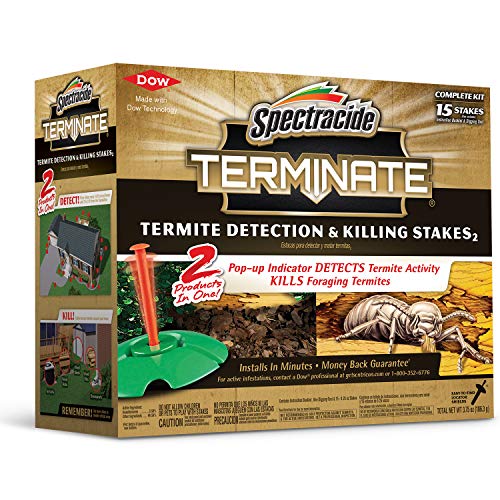
Termite bait stations ($30-$80 for a basic setup) and bed bug interceptor traps ($5-$15 each) are modest, low-recurring-cost prevention tools for ongoing awareness.
Monitoring Is a Schedule, Not a Purchase
The budgeting mistake with monitoring hardware is treating it as a one-time purchase rather than a recurring commitment. A bait station that nobody opens on a cycle is a plastic cylinder in the ground; an interceptor nobody looks under is a plastic dish. Neither device does anything on its own — what they produce is a series of dated observations, and that series only exists if somebody keeps making it.
That reframes the recurring line in your budget. It is not really the cost of bait and traps; it is the cost of continuing to check them, whether that is your own time on a calendar reminder or a service visit you pay for. When people describe monitoring as having failed, the more common story is that the checks quietly stopped and the gap only became visible later.
Periodic Professional Inspection
Annual professional termite inspections ($75-$150, sometimes free with a service contract) are a reasonable recurring budget line, particularly in termite-active regions.
The Renewal Line Most Budgets Miss
If your prevention rests on a termite bond or service agreement, the annual renewal is a budget line in its own right, and it behaves differently from other subscriptions. Agreements commonly require unbroken renewal to stay in force. Let one lapse and you may not be able to simply resume the following year — some companies require a fresh inspection, and some require the full initial treatment again before they will write a new agreement.
That turns a missed renewal from a small saving into a large one-time cost, which is the opposite of what the person skipping it intended. Two questions are worth asking before you sign rather than after you lapse: what the renewal costs each year, and what specifically is required to reinstate coverage if a payment is missed.

If Treatment Becomes Necessary
Budget for the possibility of treatment cost ($1,000-$3,000+ for termite treatment, $500-$1,500+ for professional bed bug treatment) as a contingency, separate from your routine prevention budget.
Budget for the Findings, Not Just the Inspection
An inspection fee buys you a report, and the standard wood-destroying insect report is explicit that it is not a structural damage report [1]. Its own consumer notice states the inspector’s training and experience do not qualify them in damage evaluation or building construction. So when visible damage is noted, the report tells you it exists and where it was seen — not how far it goes or what it costs to put right.
Working out the extent means engaging a qualified structural professional, which the form itself recommends. That is a second appointment and a second invoice, and it sits between the inspection and any repair work. Households that budget only for treatment are often surprised at this point, because assessment of the damage is a separate service from ending the infestation that caused it.
FAQ
Is ongoing pest prevention expensive?
Generally modest — bait stations, traps, and periodic inspection are low-cost recurring items, with treatment cost as a separate, larger contingency if actually needed.
Cost estimates are general ranges — get local quotes for planning purposes.
References
- Form NPMA-33: Wood Destroying Insect Inspection Report. National Pest Management Association (via U.S. Department of Housing and Urban Development)
These statements have not been evaluated by the Food and Drug Administration. This information is not intended to diagnose, treat, cure, or prevent any disease. Content is for informational purposes only and is not medical advice; consult a qualified healthcare provider before starting any supplement. As an Amazon Associate we earn from qualifying purchases.
