Ongoing maintenance of prevention measures keeps them effective over time for both pest types.
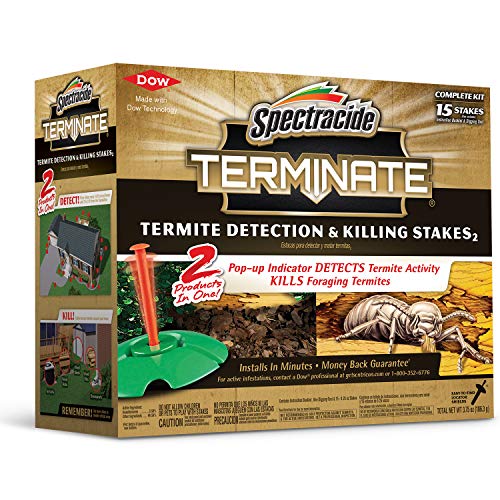
- Check termite bait stations per the manufacturer’s recommended schedule, often quarterly to semi-annually.
- Periodically check bed bug interceptor traps and treat any positive finding promptly.
- Maintain gutters, grading, and drainage on an ongoing basis for termite conduciveness.
- Ongoing maintenance keeps prevention measures effective rather than a one-time setup being sufficient indefinitely.
Termite Bait Station Maintenance
Check bait stations per the manufacturer’s recommended schedule (often quarterly to semi-annually), replacing bait material as needed and noting any signs of activity for follow-up investigation.
Bed Bug Interceptor Trap Monitoring
Periodically check interceptor traps under furniture legs for any captured insects, replacing traps as needed and treating any positive finding promptly rather than waiting for a full infestation to redevelop.

Moisture Control Upkeep
Maintain gutters, grading, and drainage around your foundation on an ongoing basis, since these conditions directly affect termite conduciveness over time and can change with seasonal wear or landscaping changes.
Write the Schedule Down Somewhere You Will Actually See It
Prevention measures rarely fail because they stop working. They fail because nobody remembers to check them, and a bait station or an interceptor that has not been looked at for a long stretch provides reassurance rather than information. A calendar reminder tied to the manufacturer’s recommended interval is a small step that does most of the work here.
Pair the reminder with a short log, because the point of checking is to notice change. Record the date, which station or trap was checked, what was found, and anything replaced. A log makes it obvious when an interval has slipped, gives you something concrete to show a provider if activity appears, and is often what a treatment agreement expects when it requires conducive conditions to be kept corrected.
Events That Should Trigger an Extra Check
Some of the most useful checks are not on the calendar at all. Landscaping work, new mulch or soil brought up against the foundation, a new deck or fence post set into the ground, firewood stacked against the house, a changed downspout or a period of heavy weather can each alter the conditions around the foundation. Any of those is worth a walk of the perimeter afterwards rather than waiting for the next scheduled check.
The bed bug equivalent is equally event-shaped. Returning from travel, taking in secondhand furniture, hosting guests who have travelled, or learning of activity in a neighbouring unit are all reasons to look at interceptors and sleeping areas sooner than planned. Treating these as triggers keeps the effort proportionate: routine checks stay light, and attention concentrates where something has actually changed.
FAQ
How often should I check termite bait stations?
Follow the manufacturer’s recommended schedule, often quarterly to semi-annually — check your specific product’s documentation.
What should I record when I check a bait station?
The date, which station it was, whether any activity or damage to the bait was visible, and anything you replaced. Keep it brief. The value is in being able to compare one check against the last rather than in detail.
Does landscaping work mean I should re-check?
It is a sensible trigger. New mulch or soil against the foundation, posts set into the ground, stacked firewood and altered drainage all change conditions around the structure, so walk the perimeter after the work rather than waiting for the next scheduled check.
Do interceptor traps need replacing if nothing is caught?
Follow the product’s own guidance, since materials and surfaces degrade with time, cleaning and wear regardless of what has been captured. An empty trap that is no longer working properly reads as good news when it is really no news.
Follow your specific product manufacturer’s maintenance schedule, which may differ from these general estimates.
These statements have not been evaluated by the Food and Drug Administration. This information is not intended to diagnose, treat, cure, or prevent any disease. Content is for informational purposes only and is not medical advice; consult a qualified healthcare provider before starting any supplement. As an Amazon Associate we earn from qualifying purchases.
