Landlords have particular pest prevention responsibilities given both habitability law and the multi-unit spread risk for bed bugs specifically.
- Provide tenant education and establish clear, easy pest reporting processes.
- Inspect units for pest activity between tenants, particularly for bed bugs.
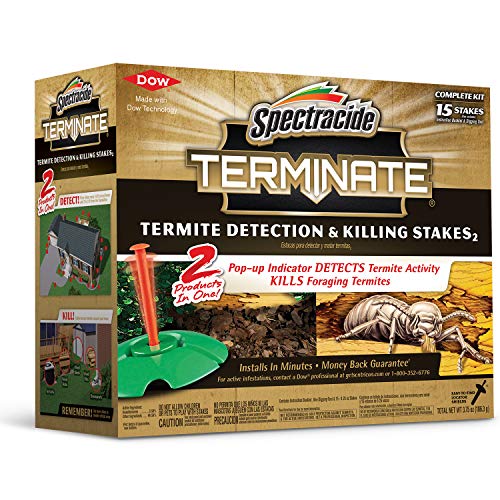
- Maintain building-wide termite monitoring as a landlord responsibility.
- Prompt tenant reporting, encouraged through clear process, reduces spread risk for bed bugs specifically.
Tenant Education and Reporting Protocols
Provide new tenants with basic bed bug prevention information (checking secondhand furniture, prompt reporting of suspected activity) and establish a clear, easy reporting process to encourage prompt notification rather than delayed reporting that allows spread.
Why the Reporting Window Is the Whole Game
In a multi-unit building the variable a landlord can actually control is not whether bed bugs arrive — they arrive with people and belongings — but how long they go unreported. A small, newly introduced population is confined and comparatively cheap to resolve. The same population left alone spreads along the pathways the building already provides: shared wall voids, utility and plumbing chases, and the ordinary movement of people and laundry between spaces.
The practical obstacle is that tenants often have reasons not to report. Fear of being blamed, of being charged for treatment, or of losing possessions all push toward waiting to see if it resolves itself. A reporting policy that removes those penalties is doing pest control work, because every week of silence widens the eventual treatment scope and the eventual bill.
Between-Tenant Inspection
Inspect units for pest activity between tenants, particularly for bed bugs given multi-unit spread risk, addressing any issues before a new tenant moves in.
Inspect the Neighbours, Not Just the Unit
Treating a single unit in isolation is the most common way a building keeps reinfesting itself. If insects have already moved through a shared void or along a chase, the treated unit is cleared while an untreated adjacent space holds the remaining population, which then returns. The standard response to a confirmed unit is therefore to inspect the neighbouring units — beside, above, and below — rather than assuming the boundary of the problem matches the boundary of the lease.
This is also why a unit-by-unit reactive approach tends to cost more over time than an inspection sweep that establishes the actual perimeter once. The scope question is not which tenant complained; it is which connected spaces could plausibly be part of the same population.

Building-Wide Termite Monitoring
For multi-unit properties, maintain building-wide termite monitoring (bait stations, annual professional inspection) as a landlord responsibility rather than expecting individual tenants to manage this.
What a Turnover Inspection Cannot Tell You
A between-tenant walkthrough is a visual check of what is accessible on one day, and low-level activity is genuinely difficult to see. An empty unit helps, because furnishings and stored items are among the most common reasons an inspector records an area as obstructed, but an empty unit also removes the harbourage insects prefer and the host that would draw them out. A clean look is meaningful evidence; it is not proof of absence.
Interceptors left in place across a vacancy convert that single point-in-time check into a period of passive monitoring, which is a different and stronger kind of evidence. For termite risk on the same property, the equivalent limitation applies to the structure: anything a crawlspace hatch or stored material blocks is recorded as inaccessible rather than clear.
FAQ
Should landlords provide bed bug prevention information to new tenants?
Yes, reasonable practice — basic prevention information and a clear reporting process encourage prompt notification, reducing spread risk.
This is general guidance, not legal advice — consult your state’s landlord-tenant law resources for specific obligations.
References
- Form NPMA-33: Wood Destroying Insect Inspection Report. National Pest Management Association (via U.S. Department of Housing and Urban Development)
These statements have not been evaluated by the Food and Drug Administration. This information is not intended to diagnose, treat, cure, or prevent any disease. Content is for informational purposes only and is not medical advice; consult a qualified healthcare provider before starting any supplement. As an Amazon Associate we earn from qualifying purchases.
